
Basic Work Checks
Companies that thrive with WorkPro's Basic Work Checks

Covering all of your compliance bases so your business can take flight
WorkPro is proud to aggregate crucial compliance components that employers and recruiters need to comprehensively screen candidates every day.
In addition to the wide range of mandatory background & probity checks, WorkPro also offers a range of detailed probity checks that span global data and social databases. These checks ensure that you have access to the checks you require to mitigate recruitment and compliance risks.

Address Verification
Social Media Screening
Adverse Media Check
Drivers Licence Check
100-Point Identity Check
See how WorkPro can take charge of your Basic Work Checks
Address Verification
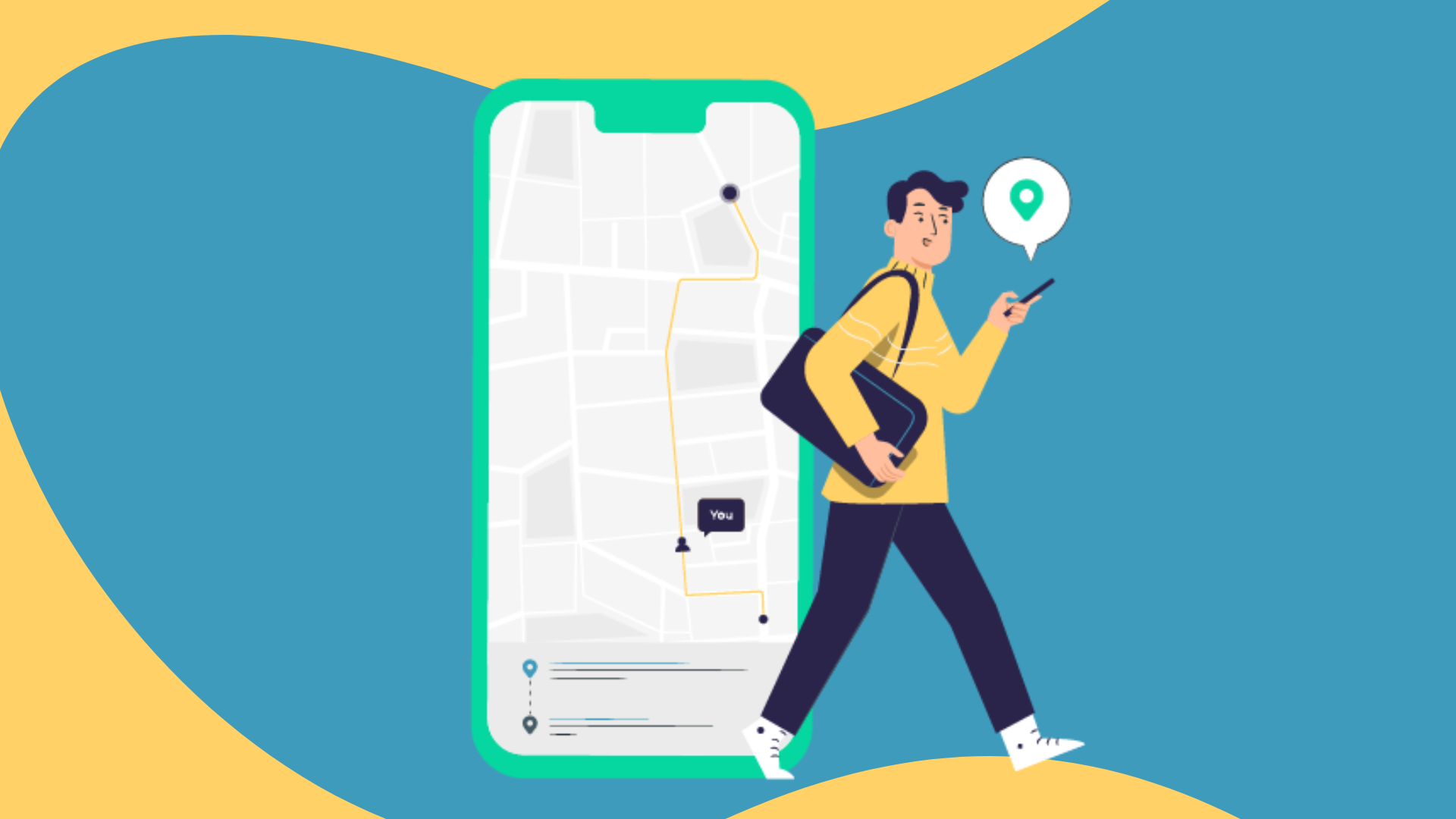
This global search confirms the address details of a candidate and can attest to a person’s identity.
This search verifies the candidate’s registered address by an electronic search and/or physical visit.
Social Media Screening
Social media background checks are used to search for objective indicators of toxic, illegal, or inappropriate behaviour, and potential discriminatory beliefs from public internet sources.
Checked social media includes LinkedIn, Twitter, Facebook, Google Plus, Instagram, CrunchBase, YouTube, Bloomberg, Klout and Pinterest along with some business-based publications.


Adverse Media Check
It includes professional and personal activities to uncover image and reputational information and typically uncovers past behaviour or activities that may not be officially recorded in any other manner, i.e. not a recordable/reportable infringement.
It is a broad-based press search of over ten years using the applicant’s name using global electronic media sources. Content includes more than 31,000 specialised publications and 900 news wires from 200 countries in 26 languages including.
Driver Licence Check
Driver risk management has become a critical issue for many organisations, with the recognition that it affects your reputation, budgets, profitability and the safety of the community.
This national search verification reveals whether an individual’s driving licence is valid, and has accrued any demerit points and/or traffic infringements. Note: This check is not available in NSW.


Professional Membership
Specific professional memberships may be essential and/or a key requirement for many roles. Failing to verify this information can result in having unqualified people in positions in which they are unable to perform or having people remunerated incorrectly.
Our researchers will verify professional memberships, currency of membership, and any disciplinary records on file. For trade licences, various data sources confirm the tradesperson is qualified to conduct the work.
100-Point Identity Check
The verification of a candidate’s identity underpins all other verification and is fundamental to all roles.
To ensure your candidate is who they say they are we will verify their identity using a variety of means from verification of the candidate’s recognised identity card and/or passport or collection and cross referencing of nominated identity documents. Our machine learning capability enables us to do this accurately, quickly and efficiently.

Frequently Asked Questions
What do basic work checks help an employer understand about a candidate?
Basic work checks help an employer confirm practical details about a candidate that may be relevant to trust, identity, role suitability, safety, or compliance. Depending on the role, they can help verify address information, identity, licence status, professional standing, or publicly available reputational indicators.
When should a business use basic work checks as part of screening?
A business may use basic work checks when a role involves driving, regulated work, public representation, licensed activity, identity-sensitive access, or other practical risk factors that go beyond standard hiring checks. The right checks depend on the position and the level of risk attached to it.
How should an employer decide which basic work checks are relevant for a role?
An employer should choose checks based on the responsibilities of the role, the type of access the person will have, and any legal, operational, or reputational risks involved. Not every role needs the same checks, so the screening approach should match the actual requirements of the position.
What is the difference between address verification, identity checking, and right-to-work checking?
Address verification is about confirming a person’s residential details. Identity checking is about confirming that the person is who they claim to be. Right-to-work checking is about confirming whether that person is legally allowed to work. Each serves a different purpose in a broader screening process.
What can social media screening and adverse media checks help reveal?
Social media screening and adverse media checks can help identify publicly available information that may be relevant to a candidate’s suitability for a role. This may include indicators of reputational risk, inappropriate conduct, or other issues that an employer may need to assess carefully and fairly in context.
When is a driver licence check important in recruitment or workforce compliance?
A driver licence check is important when driving is part of the role or when a person will use a vehicle as part of their work duties. It can help confirm licence validity and, where available, other licence-related information relevant to the role.
Why would an employer verify professional memberships or trade-related credentials?
An employer may verify professional memberships or trade-related credentials when a role depends on current membership status, recognised standing, or proof that the person is qualified to perform certain work. This can be relevant for regulated professions, trades, and roles where current standing matters to compliance or service quality.
What does a 100-point identity check help confirm?
A 100-point identity check helps confirm a person’s identity by reviewing a combination of recognised documents and supporting evidence. It is often used where stronger identity assurance is needed as part of recruitment, onboarding, or compliance.
What should employers consider before relying on social media, adverse media, or other basic work check results?
Employers should consider whether the information is current, relevant to the role, and appropriate to use in a fair and lawful decision-making process. They should also be careful not to rely on information without proper context, especially where publicly available material may be incomplete or misleading.
Can basic work checks be combined with other screening steps?
Yes. Basic work checks are often combined with other screening steps such as identity checks, work rights checks, qualification checks, employment history checks, licence or registration checks, and criminal history checks, depending on the role. The right combination depends on the risks and responsibilities attached to the position.
What records should a business keep after completing basic work checks?
A business should keep clear records of what was checked, when the check was completed, what information was returned, and any outcome or follow-up relevant to the hiring or compliance decision. These records should be stored securely and accessed only by authorised people.
What should a business look for when choosing a process to manage basic work checks?
A business should look for a process that supports appropriate check selection, consistent handling, secure recordkeeping, and visibility for the people responsible for hiring or compliance. The main issue is not just ordering checks, but using them in a way that supports sound, proportionate, and role-based decisions.